Last Updated: November 22, 2026
Quick Summary
A military memoir is often ghostwritten, but ghostwriting is a craft, not a con, and collaboration does not make a story untrue. The veteran supplies the memories and reviews every page, while a skilled writer brings structure, pacing, and clean prose. The book is a partnership, not fiction.
- The military memoir writing process moves through five clear stages, with the veteran reviewing drafts at every step.
- A responsible writer checks names, dates, units, and aircraft against records where possible.
- A good memoir says as I recall when certainty is thin rather than inventing facts.
- You can often tell a book is ghostwritten by reading the acknowledgments and the copyright page.
- A good ghostwriter disappears into the service member’s perspective so the reader hears the veteran.
Table of Contents
- How the Military Memoir Writing Process Works
- Veteran Memoir Fact Checking and the Truthfulness of Memoirs
- How to Tell If a Book Is Ghostwritten
- Frequently Asked Questions
How the Military Memoir Writing Process Works
A military memoir is often ghostwritten, and that is not the same as fiction. Readers often ask whether a veteran’s story was written by the veteran or someone else. The honest answer: many are collaborative, and collaboration does not make a story untrue.
Ghostwriting is a craft, not a con. A veteran brings the memories, missions, and hard-won lessons; a skilled writer brings structure, pacing, and clean prose. The book is a partnership.
So how does the military memoir writing process actually work? It moves in clear stages:
- The veteran records memories through interviews and notes.
- The ghostwriter organizes those recollections into a timeline.
- Draft chapters are written and sent back for correction.
- The veteran reviews every page for accuracy and voice.
- An editor polishes the manuscript before publishing.
A veteran can stay in control at each step, reviewing drafts before anything goes to print. That review loop helps keep the story grounded in real service, not invented drama.
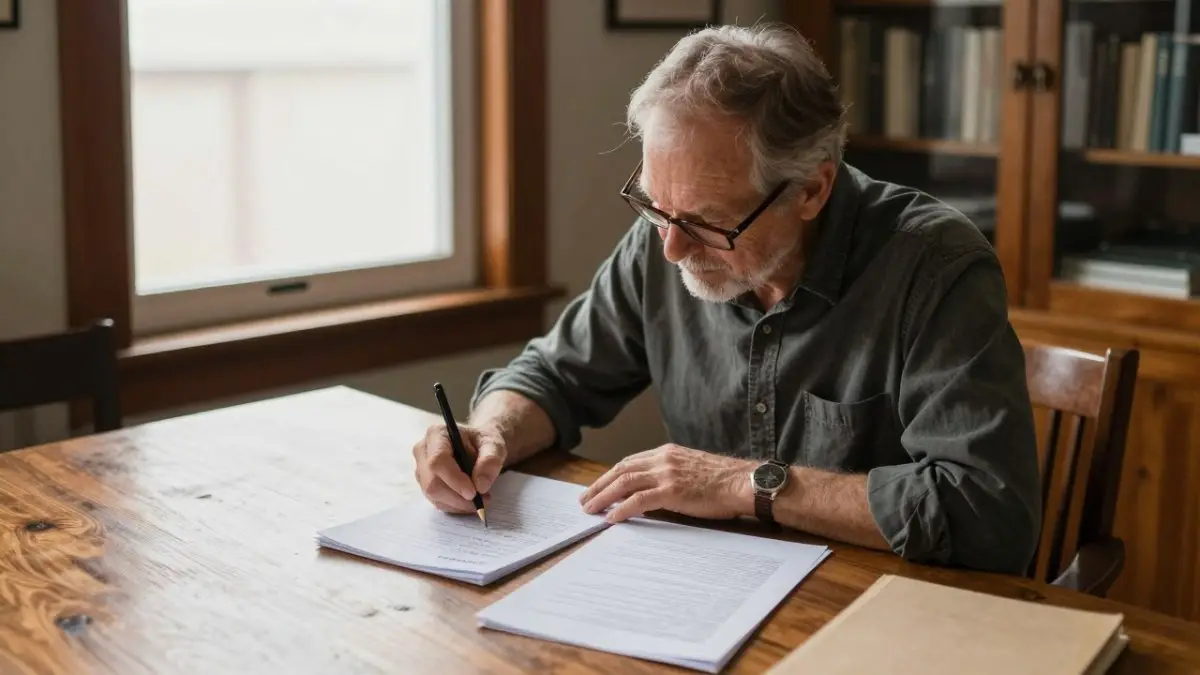
The veteran’s role is not passive. Their ideas and expertise shape the book. A ghostwriter who ignores the service member’s corrections produces something that reads false, and readers notice.
For readers curious about how a real military memoir comes together, you can browse the collection at TOP GUN HOLLYWOOD to see the finished result.
The military memoir writing process moves through five clear stages, with the veteran reviewing drafts at every step.
| Step | What happens |
|---|---|
| 1 | Veteran records memories through interviews and notes |
| 2 | Ghostwriter organizes recollections into a timeline |
| 3 | Draft chapters are written and sent back for correction |
| 4 | Veteran reviews every page for accuracy and voice |
| 5 | Editor polishes the manuscript before publishing |
Veteran Memoir Fact Checking and the Truthfulness of Memoirs
Memoir truth is a spectrum, not a switch. A personal story can be accurate in spirit while compressing timelines or blending minor details for readability. That is different from fabrication.
Veteran memoir fact checking separates recollection from verified fact. A responsible writer checks names, dates, units, and aircraft against records where possible, and qualifies uncertain memory rather than inventing it.
The biggest mistake is treating a vivid memory as proven fact. Memory shifts over decades, so a good memoir says “as I recall” when certainty is thin.
Here is how to judge truthfulness of memoirs:
- Does the author name real units, aircraft, and operations?
- Are claims consistent across chapters?
- Does the book admit uncertainty where it exists?
- Does it separate personal perspective from official history?
Hollywood gets aviation wrong by inventing drama; a grounded memoir earns trust by staying close to what happened. For a deeper look at why film distorts flight, read why Hollywood gets aviation so wrong.
How to Tell If a Book Is Ghostwritten
You can often tell a book is ghostwritten by reading the acknowledgments and the copyright page, not by guessing from the prose. Many memoirs credit a collaborator openly. That is disclosure, not deception.
Look for these signals:
- A “with” or “as told to” credit on the cover
- Thanks to a writer or editor in the acknowledgments
- A consistent, polished voice that shifts between chapters
- A copyright page naming more than one author
None of these prove the story is false. They show the book was built by a team. Authorial credit and attribution are ethical concerns, and honest publishers handle them in the open.
The real question is not “was it ghostwritten?” It is “was the veteran’s voice preserved?” A good ghostwriter disappears into the service member’s perspective. The reader hears the veteran, not the writer.
If you want to buy with confidence, learn how to purchase authentic fighter pilot books and avoid embellished imitations.
The gap between a dramatized war story and a true firsthand account comes down to discipline and honesty on every page. FRANK S HECKER delivers exactly that: an authentic perspective on elite fighter pilot life, a clear distinction between Hollywood portrayals and reality, and a focus on purpose beyond the uniform. If you want courage under pressure told straight, get started with FRANK S HECKER and read the real thing.
Frequently Asked Questions
Can a ghostwritten military memoir still be truthful?
Yes. A ghostwriter turns the veteran’s recollections into a readable narrative, but the veteran supplies the memories and approves the final text. The military memoir writing process usually involves recorded interviews, drafted chapters, and revision rounds where the veteran corrects details. Truthfulness depends on the veteran’s commitment to accuracy and the fact-checking steps used, not on who typed the manuscript.
How can you tell if a book is ghostwritten?
Look at the copyright page and acknowledgments for a co-writer or editorial credit, compare the author’s public speaking style with the book’s prose, and check whether the author thanks a professional writer. Many ghostwritten books disclose the arrangement openly. No single signal proves ghostwriting, so weigh several clues together before drawing a conclusion about a military memoir.
Are military memoirs commonly ghostwritten?
Many are, especially those by senior military leaders and veterans without writing experience. Publishers often pair a veteran with a professional writer to shape interviews and recollections into a manuscript. That does not make the account less authentic. The veteran’s firsthand account remains the source, and the ghostwriter’s job is to organize and polish it.
